Archive
This is my archive
Having a good quality Internet connection is now a need for consumers, businesses, and local authorities. Yet 32% of 4G users do not yet have high-speed mobile coverage in rural areas. With the ongoing deployment of 5G, a question arises: how to improve connectivity? It turns out Towercos have a role to play in furthering mobile deployments in both urban and rural areas.
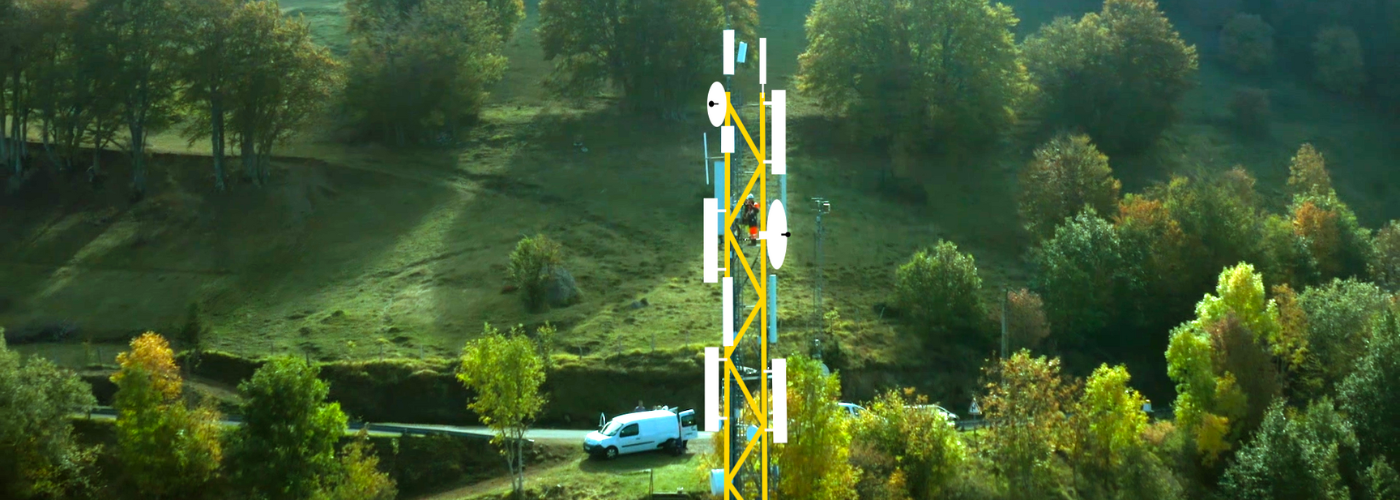
Telecommunications towers were once the exclusive property of operators,but have become a real financial challenge while remaining an essential component of their network coverage. To continue the deployment of their antennas in a very competitive market driven by a major race for innovation (4G, 5G, etc.), telecoms have for the past ten years created new players responsible for managing and developing their mobile infrastructures: the TowerCos.

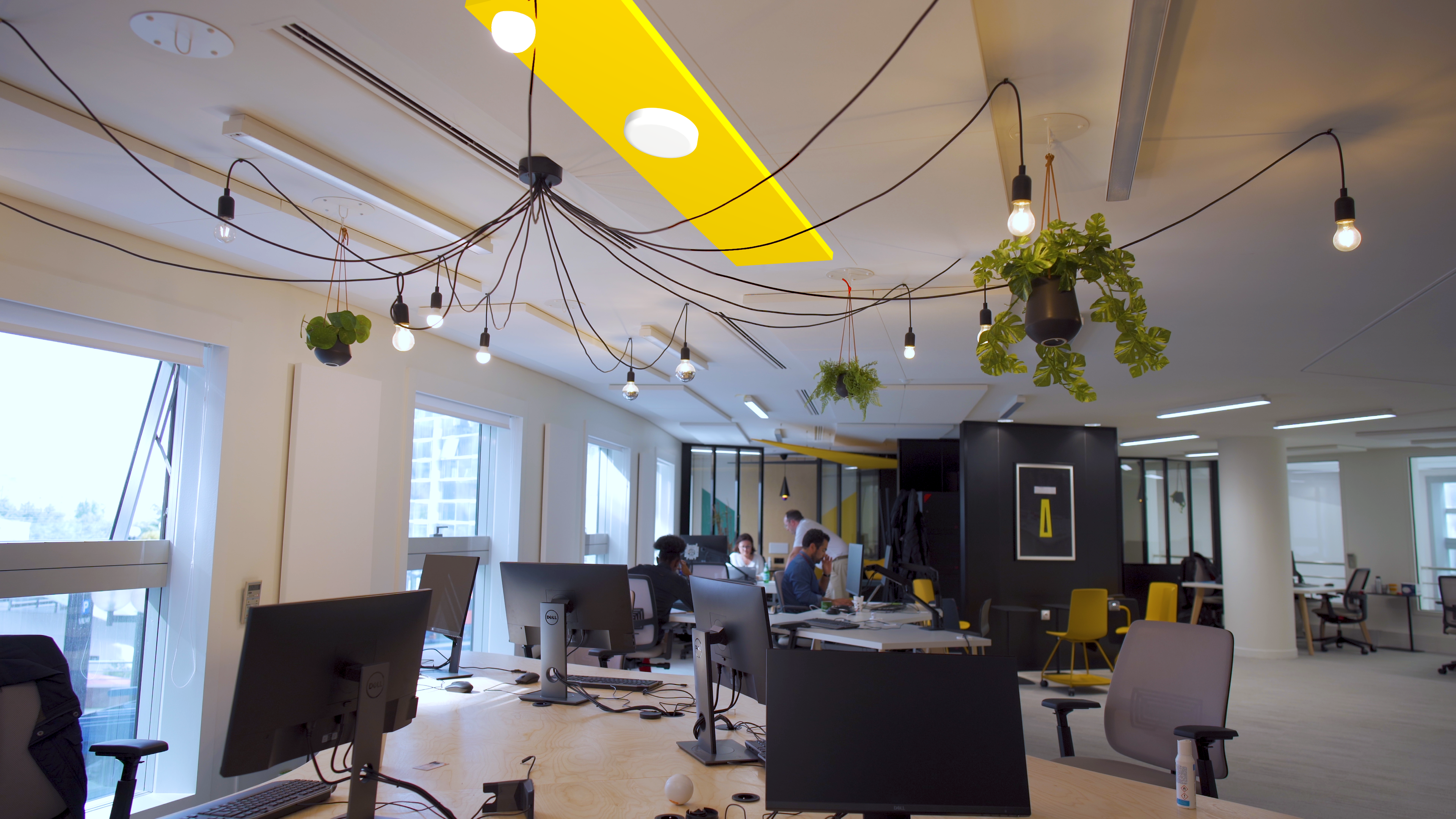
Nowadays, 80% of mobile calls are received and sent from partially confined places (office, transport, shopping malls, etc.). That figure alone demonstrates the importance of the quality of indoor mobile coverage for companies in terms of efficiency and productivity. The problem: currently, only 34% of surfaces used by companies have proper coverage according to WiredScore Company Study! Since the appearance of high environmental quality standards, we often hear about insufficient natural mobile coverage, weak outdoor signals and even poor mobile reception indoors. But concretely, why isn’t outdoor mobile coverage strong enough to provide coverage inside office buildings? How can the Distributed Antenna System (DAS) provide a solution?
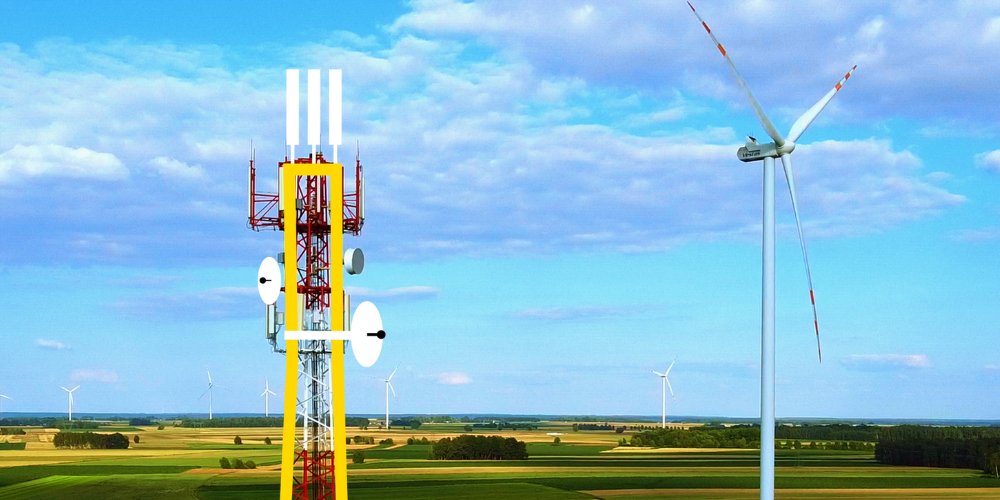
You think you live in a connected world? According to a UN study published last year 37% of the world's population has no access to the Internet due to a lack of stable and affordable infrastructure. There is still a huge way to go to empower operators in serving connectivity to every inhabitant of this world. The sharing of infrastructures hosting telecommunications antennas between several operators and other players in the telecoms sector could be the solution.

Historically, operators were responsible for their network infrastructures and the many pylons that we find in the European landscape. Now managed by independent companies, called TowerCos, it is sometimes difficult for landlords and local authorities to understand with whom they can discuss new opportunities in this market undergoing major restructuring. This is why we met Olivier Ract-Madoux (O. R.), Marketing and Sales Director at TOTEM France. He agreed to answer in an educational way to the many questions landlords ask themselves, so that they can better understand the world of connectivity and the links they can maintain with it…
According to ARCEP, the so-called sparsely populated area of France is made up of around 22,500 rural municipalities. It represents 63% of the surface area of France and 18% of its population! It forms part of the priority deployment phase for operators, in accordance with the agreements between them and the State under the New Deal Mobile program launched in 2018. The objective is to significantly improve coverage in a localized way in areas needing digital development, as identified by local authorities and the government. The task took on renewed importance during the health crisis which highlighted the inequalities that persist in France in terms of connectivity.
In the current era of hybrid teaching, working from home and all-digital, how can TOTEM serve as a powerful lever for accelerating connectivity in rural areas?